Keto Diet Plan for Beginners in Pakistan: 7-Day Starter Guide (2026)
Starting keto in Pakistan sounds simple until your first morning, when breakfast is halwa puri at home, chai has two spoons of sugar, and lunch is whatever the family pot holds, roti included. The diet itself is not complicated. What beginners lack is a path that respects Pakistani food, Pakistani households and a Karachi routine. This guide is that path: what ketosis actually is in plain words, the macros to aim for, what week one honestly feels like, a 7-day starter chart built on Pakistani foods, and the eight mistakes that quietly end most beginner attempts. It sits alongside our pillar guide, the complete keto diet plan for Pakistan, and our desi keto diet plan, which shows how everyday Pakistani dishes fit keto macros.
What ketosis is, in plain words
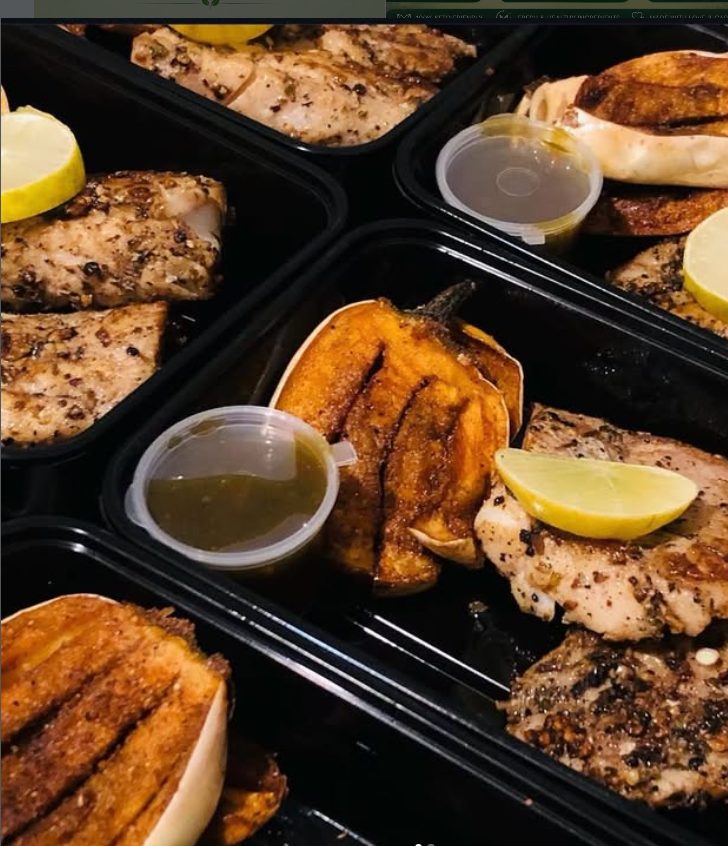
Your body runs on two fuels: glucose, which comes from carbohydrates like roti, rice, sugar and fruit, and fat, which it can burn from food and from your own body stores. Most people spend their whole lives in glucose mode, because carbs are eaten at every meal. When you cut carbs low enough, roughly below 50 grams a day and ideally near 20 to 30 grams, your glucose supply runs short. The liver responds by converting fat into molecules called ketones, and your body begins running mainly on fat. That metabolic state is ketosis.
Nothing about this is magic or instant. Most beginners enter light ketosis within two to four days of eating very low carb, and the following two to three weeks are an adaptation period while the body gets efficient at burning fat. Hunger usually drops noticeably once you are adapted, because fat and protein meals digest slowly and blood sugar stays steady. That drop in hunger is the real reason keto works for many people in Pakistan: not a metabolic trick, but finally not feeling hungry enough to break the diet by evening. Results still vary by person, and anyone with a medical condition, or taking medication for diabetes or blood pressure, should talk to their doctor before starting.
Keto macros for beginners
Keto targets are usually expressed as a split of your daily calories. The classic beginner split looks like this:
| Macro | Share of calories | Daily amount on a 1,800 kcal day | Beginner rule |
|---|---|---|---|
| Carbohydrates | About 5% | 20 to 30 g net carbs | This is a hard limit, not a target to spend. |
| Protein | About 20 to 25% | 90 to 110 g | Eat enough to protect muscle; do not fear protein. |
| Fat | About 70% | 130 to 140 g | Fat fills the rest; eat it to feel full, not by force. |
In the first two weeks, keep it simpler than any table: count only net carbs and keep them under 30 grams, eat protein at every meal, and let fat come naturally from eggs, meat, ghee and oils. Precision can come later, once the habits exist. If you want your exact calorie level first, our guide on how to calculate daily calories walks through it without jargon.
Week 1: what to honestly expect
Days one and two usually feel surprisingly normal, sometimes even easy, carried by motivation. Days three to five are the wall: this is when stored glucose runs out, the body sheds water, and cravings for roti, rice and something sweet peak. Many beginners feel flat, headachy or irritable in this window, which is the keto flu covered in the next section. By days six and seven, most people notice hunger quieting down and energy evening out, and the scale often shows a quick early drop, which is mostly water, not fat. Set your expectations there: week one is about getting through the door, not about visible transformation. Anyone who promises you a fixed amount of weight loss in a fixed number of days is guessing with your health; real progress is measured over months, and it varies from body to body.
Keto flu: causes, electrolytes and fixes
Keto flu is not an illness and it is not dangerous for most healthy people. It happens because dropping insulin makes the kidneys release more water and sodium, and that water takes potassium and magnesium with it. Less fluid plus fewer electrolytes equals headaches, fatigue, cramps, brain fog and irritability. The fixes are correspondingly direct:
- Salt your food properly. Pakistani home cooking is often salted lightly. On keto, add salt generously, and consider a daily cup of yakhni (clear broth), which replaces sodium and fluid together.
- Drink more water than you think you need. Especially in Karachi heat, aim to drink consistently through the day rather than in rare large amounts.
- Eat potassium and magnesium foods. Palak and other leafy greens, avocado when available, nuts and seeds in small portions, and eggs all help.
- Do not slash calories in week one. Eat enough fat and protein to feel full while you adapt. A deficit can come later; survival comes first.
- Sleep and go easy on hard training for the first several days. Your performance dips briefly and returns as adaptation completes.
For most beginners the symptoms fade within two to five days once electrolytes are handled. If symptoms are severe, or you have a medical condition, stop and consult a doctor instead of pushing through.
Your 7-day keto starter chart (Pakistani foods)
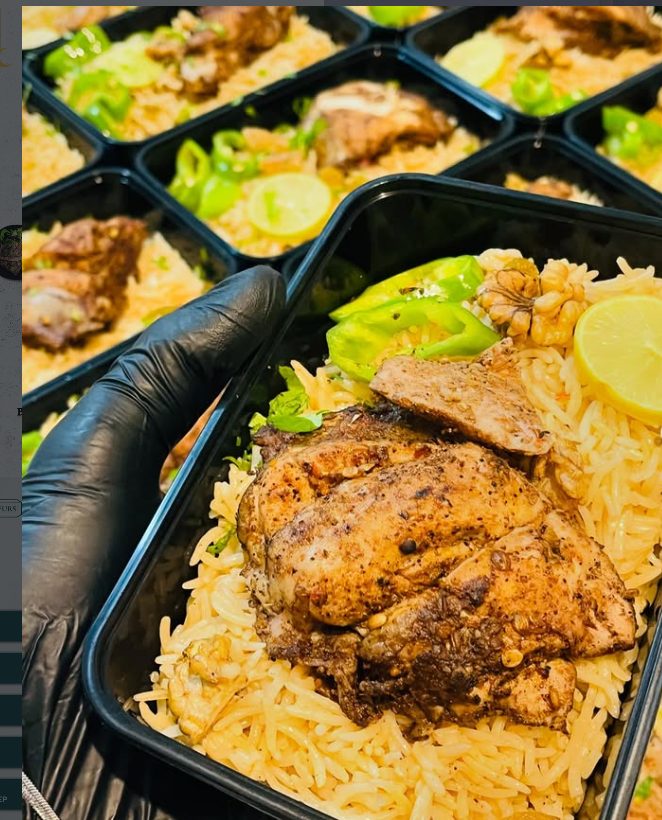
Use this chart as a shape, not a scripture. Portions assume an average adult; the point is that every meal is a normal Pakistani food with the roti, rice and sugar removed.
| Day | Breakfast | Lunch | Dinner | Snack |
|---|---|---|---|---|
| Day 1 | Anda bhurji (3 eggs) in desi ghee, black chai | Chicken karahi with salad | Qeema with lauki, eaten with a spoon | Boiled egg with salt and kali mirch |
| Day 2 | Omelette with palak and cheese | Chicken tikka piece with raita (no sugar) | Palak paneer with a chicken piece | Handful of badaam |
| Day 3 | 2 boiled eggs and leftover tikka | Qeema with band gobi sauteed in ghee | Fried surmai with lemon and salad | Cucumber slices with chaat masala |
| Day 4 | Anda bhurji with green chillies | Seekh kebabs (2 to 3) with salad | Chicken karahi with cauliflower rice | Cup of yakhni |
| Day 5 | Cheese omelette in butter | Malai boti with sauteed bhindi | Qeema with tori | Roasted peanuts, small portion |
| Day 6 | 3-egg omelette with mushrooms | Grilled fish with salad | Cauliflower rice biryani with chicken | Boiled egg |
| Day 7 | Anda bhurji in desi ghee | Chicken tikka with raita (no sugar) | Seekh kebabs with palak | Handful of akhrot |
Notice what is missing from the chart: no special imported products, no almond flour baking, no expensive supplements. If this week looks manageable, you already understand keto better than most people who quit before starting.
Keto shopping basics in Pakistan
A beginner keto shop in any Karachi supermarket or bazaar comes down to a short list:
- Proteins: eggs in trays, whole chicken, chicken tikka cuts, beef qeema, fish in season, paneer.
- Fats: desi ghee, butter, mustard oil or olive oil, fresh cream in small amounts.
- Low-carb vegetables: palak, band gobi, phool gobi, bhindi, lauki, tori, kheera, salad leaves.
- Flavour: whole spices, adrak, lehsan, green chillies, lemon, chaat masala (check for added sugar).
- Drinks: green tea, black tea, coffee. Nothing sweetened.
- Skip entirely: atta, rice, sugar, daals and channay for strict keto, fruit juices, mithai, regular roti and naan, and anything labelled "diet" that is built on oats or corn.
8 mistakes beginners in Pakistan make
- Sweet chai, twice a day. Two spoons of sugar per cup, twice daily, quietly eats most of a keto carb budget, and doodh patti adds milk sugar on top. Chai must go unsweetened, or the diet never starts.
- Sugar hiding in raita and chutneys. Many homes sweeten raita, and imli chutney is essentially sugar sauce. Ask what went in, or make your own.
- Trusting "fresh" fruit juice. A glass of fresh orange or sugarcane juice is a glass of sugar with the fibre removed. Whole fruit is restricted on keto; juice is worse.
- The weekend biryani exception. One full biryani lunch can refill glucose stores and restart cravings for days. Occasional does not work in month one. Keep a cauliflower-rice biryani ready for family biryani days.
- Too much onion and tomato. Gravies built on large amounts of onion and tomato add more carbs than beginners expect. Keep gravies meat-forward.
- Not enough salt and water. The single most common cause of feeling terrible in week one, and the easiest to fix.
- Assuming daal and channay are keto. They are healthy foods, but they are carb foods. On strict keto they are out; they belong to low-carb eating instead, as our keto vs low-carb comparison explains.
- Judging the diet by day five. Beginners quit in the hardest window, days three to five, and conclude keto does not work for them. Give adaptation two full weeks before judging anything.
DIY keto or a delivered plan: which makes sense?
DIY keto costs less money and more of everything else: daily cooking, separate meals inside a family kitchen, shopping twice a week, and the discipline to repeat it for months. It makes sense if you enjoy cooking, control your own kitchen, and have a routine that leaves you time. A delivered plan makes more sense when the cooking is what keeps defeating you: long office hours, a family pot you do not control, hostel living, or several failed DIY attempts behind you.
At Keto Karachi, the Keto plan is Rs 40,000 per month, with breakfast, lunch, dinner and a snack delivered every morning, Monday to Saturday, across Karachi, a menu that does not repeat within 30 days, and nutritionist support on WhatsApp. The Low-Carb plan at Rs 35,000 per month suits people who want a gentler version, and the High-Protein plan at Rs 45,000 per month suits gym-goers. Before deciding, read our guide to keto meal plan prices in Pakistan so you know exactly what a delivered month should cost and include. Then either start your own 7-day chart above, or order the plan and let the kitchen handle it: both paths start with the same first week, and the right one is the one you will still be on in month three.
Skip the beginner mistakes entirely
Get keto breakfast, lunch, dinner and a snack cooked to the plan and delivered across Karachi every morning, Monday to Saturday. Keto plan Rs 40,000/month.