Keto vs Low-Carb Diet: Which Plan Is Right for You?
Keto and low-carb get used interchangeably in Pakistan, but they are not the same thing. One is strict and fast-acting, the other is flexible and easier to live with. Picking the wrong one for your lifestyle is the most common reason diets fail in the first month. This comparison lays out the real differences in macros, speed, cost, and daily life, so you can choose with confidence.

The core difference, simply explained
Keto is a strict subset of low-carb eating. On keto, you cut carbs so low (under 30 to 50 grams of net carbs daily) that your body enters ketosis and starts burning fat for fuel. Low-carb is the bigger, looser category: you eat fewer carbs than a normal Pakistani diet, usually 50 to 130 grams daily, but there is no ketosis requirement and no need to track ketones.
Think of it this way: every keto diet is low-carb, but not every low-carb diet is keto. If you are new to both concepts, start with our complete keto diet plan for Pakistan to understand the strict end first.
Side-by-side comparison
| Factor | Keto Diet | Low-Carb Diet |
|---|---|---|
| Daily net carbs | Under 30 to 50g | 50 to 130g |
| Ketosis required | Yes | No |
| Fat intake | High (70 to 75% of calories) | Moderate |
| Protein intake | Moderate (20 to 25%) | Moderate to high |
| Roti / rice | Not allowed | Small portions occasionally |
| Daal and fruit | Avoid | Allowed in moderation |
| Initial weight drop | Often faster (partly water weight) | Steadier |
| Hunger control | Strong (ketones suppress appetite) | Good (protein and fat help) |
| Difficulty at dawats | Hard | Manageable |
| Tracking needed | Carbs must be tracked closely | Rough awareness is enough |
| Best for | Fast, focused fat loss phases | Long-term lifestyle change |
Macros: keto vs low-carb numbers
Keto macros
On keto, fat does the heavy lifting: 70 to 75 percent of calories. Protein stays moderate at 20 to 25 percent, because very high protein can interfere with ketosis for some people. Carbs are capped at 5 to 10 percent. For an 1,800-calorie day, that is roughly 140 to 150 grams of fat, 90 to 110 grams of protein, and under 30 to 50 grams of net carbs.
Low-carb macros
Low-carb has no fixed macro split. A common pattern is 40 to 50 percent fat, 25 to 35 percent protein, and 20 to 30 percent carbs. The only real rule is keeping carbs well below a standard Pakistani diet. This flexibility is why many people find it easier: you can have a small bowl of daal or a piece of fruit without breaking anything.
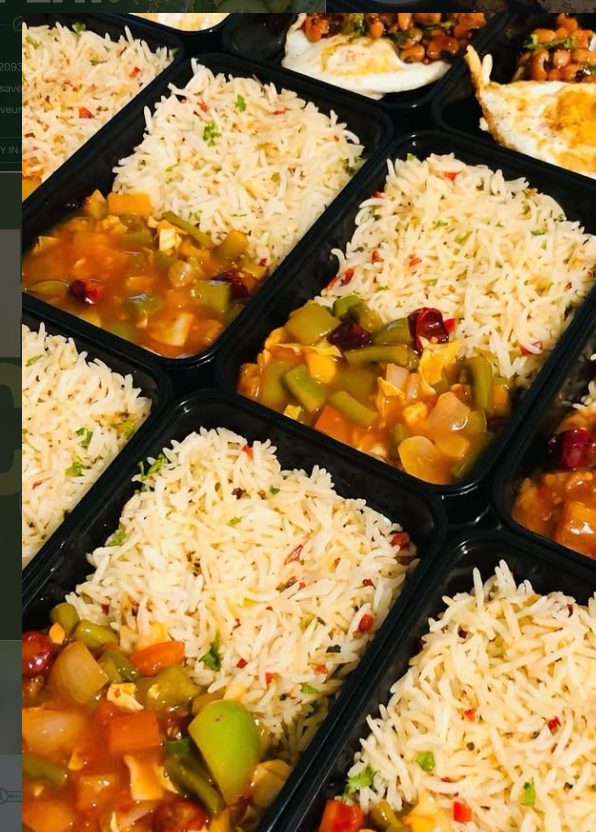
Weight-loss speed vs sustainability
Keto usually shows a faster number on the scale in the first two weeks, partly from water loss as glycogen depletes. Do not mistake that for faster fat loss. Over three to six months, what matters is adherence, and this is where low-carb often wins: a plan you follow at 90 percent for six months beats a plan you follow perfectly for three weeks and then abandon at a wedding.
Research comparing the two generally finds similar long-term fat loss when calories and adherence are equal. The "better" diet is the one you will still be following in month four.
Hunger, energy, and how you feel
Keto's standout benefit is appetite suppression. Once adapted, usually by week two or three, many people report forgetting to feel hungry, which makes calorie control almost automatic. Energy tends to become steady, without the post-lunch slump that heavy carb meals cause.
Low-carb delivers a milder version of the same benefits. Hunger is well controlled thanks to higher protein and fat, and energy is steadier than on a standard diet, though without quite the same appetite-killing effect as full ketosis. The trade-off is a much easier first week: there is no keto flu on a moderate low-carb plan.
Dawats, family meals, and social life
This is where the two diets diverge most in Pakistan. On keto, dawats require a strategy: eat beforehand, stick to kebabs and salads, and decline the roti basket and mithai. It is doable but socially visible. On low-carb, you can take a small portion of biryani or one roti and stay within your day's budget. Nobody notices, and you stay consistent. For people with busy social calendars, this single factor often decides the winner.
Cost comparison in Pakistan
Low-carb is usually cheaper to follow at home. It allows affordable staples like daal, seasonal fruit, and the occasional roti, which stretch the grocery budget. Strict keto leans more heavily on meat, eggs, paneer, and desi ghee, which cost more per calorie. The gap is not enormous for one person, but it is real, especially for families. A delivered plan removes the difference in effort, though the keto meal plan prices in Pakistan do reflect the higher protein content of stricter plans.
Who should choose which?
Choose keto if you…
- Want maximum structure and clear rules
- Can avoid roti and rice completely for at least a month
- Struggle with hunger and want the appetite suppression of ketosis
- Have a routine you control (home meals, packed lunch)
Choose low-carb if you…
- Want flexibility for dawats and family meals
- Are dieting for the first time
- Prefer a plan you can follow for six months or more
- Want lower grocery costs
If you want the full flexible playbook, read our low-carb diet plan for Pakistan.

Switching between keto and low-carb
You are not locked in forever. A popular approach is strict keto for the first one to two months, then a gradual transition to low-carb for maintenance. To switch, increase carbs slowly, about 10 to 15 grams per week, adding back foods like daal, fruit, and eventually the occasional roti. Going the other direction works too: start low-carb, and tighten into keto whenever you want faster structure.
Keto Karachi plans for both approaches
At Keto Karachi we cook for both approaches, so you do not have to choose alone. The Low-Carb Plan (Rs 35,000/month) keeps carbs controlled without full ketosis rules, ideal for sustainable everyday eating. The Keto Plan (Rs 40,000/month) is strict keto with high-fat macros and a minimum of 1,200 calories a day. Compare them in detail on our meal plans page, or message us on WhatsApp and our nutritionist will help you pick.
How to choose in 60 seconds
- Pick keto if you want strict rules, fast structure, and can avoid roti and rice completely for now.
- Pick low-carb if you want flexibility, easier dawats, and a plan you can follow for months.
- Still unsure? Start with low-carb for two weeks. If it feels too loose, tighten into keto.
Remember that results vary by body and consistency on either plan. No honest coach or company can promise you a fixed number of kilos.
Still deciding? Let the food decide.
Try a month of fresh low-carb or keto meals delivered every morning. Plans from Rs 35,000/month.