Keto Diet Plan in Pakistan: The Complete Beginner's Guide
You have probably heard about keto at every dawat and family dinner by now. Someone's cousin lost serious weight, someone else swears their sugar levels improved. But most guides online talk about bacon, almond flour pancakes, and foods you cannot easily find in Karachi. This guide is different. It explains the keto diet plan the way it actually works in Pakistan, with desi foods, local prices, realistic timelines, and honest expectations.
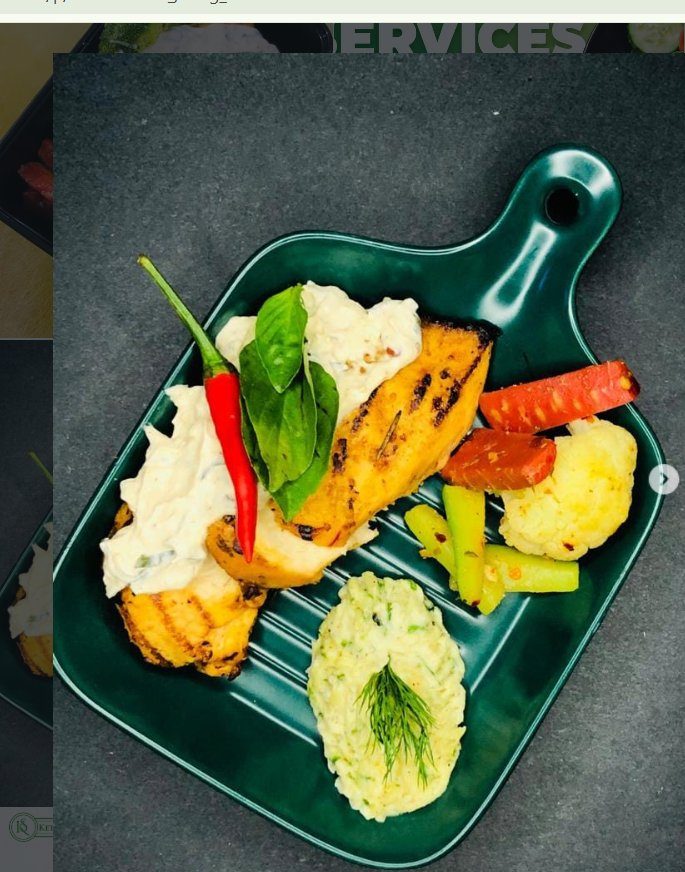
What the keto diet actually is
Keto is short for ketogenic. It is a way of eating that is very low in carbohydrates, moderate in protein, and high in fat. It was originally developed nearly a century ago as a medical therapy, and it later became popular for weight management because of how effectively it controls hunger. Unlike crash diets built on tiny portions, keto lets you eat satisfying meals. The restriction is on a single nutrient, not on the amount of food.
For Pakistanis, the mental shift is this: your plate stays full, but the composition flips. Instead of a mountain of rice or three rotis with a little salan, you eat a generous portion of salan, kebabs, or eggs with a small side of sabzi. Most people are surprised by how normal it feels after the first week.
How ketosis works in your body
Your body prefers to run on glucose from carbohydrates because it is the easiest fuel to access. When you cut carbs drastically, usually for two to four days, glucose runs out. The liver then starts converting stored and dietary fat into molecules called ketones, which your brain, muscles, and organs burn instead. This metabolic state is called ketosis.
Two things make ketosis useful for weight management. First, ketones suppress appetite for many people, so eating less happens naturally rather than through willpower. Second, with insulin levels low, the body accesses stored body fat more readily. None of this requires starvation. It requires carbohydrate restriction, which is a very different thing.
Keto macros: the numbers that matter
Macros, short for macronutrients, are the three calorie sources: fat, protein, and carbohydrates. The standard keto split looks like this:
| Macronutrient | Share of daily calories | What it looks like |
|---|---|---|
| Fat | 70 to 75% | Desi ghee, butter, cooking oil, fatty cuts of meat, egg yolks |
| Protein | 20 to 25% | Eggs, chicken, mutton, beef, fish, paneer |
| Carbohydrates | 5 to 10% | Leafy sabzi, gobi, salad, small amounts of nuts |
For a 1,800-calorie day, that means roughly 140 to 150 grams of fat, 90 to 110 grams of protein, and under 30 to 50 grams of net carbs. Beginners do best tracking with a free app for the first two weeks. After that, the numbers become second nature.
Net carbs: the only carb number that counts
Net carbs equal total carbohydrates minus fibre, because fibre does not raise blood sugar the way other carbs do. This matters in Pakistan because many sabzi look carby but are mostly fibre and water. Palak, for example, has very few net carbs per cooked cup. Learn to count net carbs rather than total carbs and your food options widen considerably.
As a rule of thumb: one roti carries about 30 grams of net carbs, which is an entire keto day's budget in a single piece. That is why roti is the first thing to go, not the last.
Desi foods that fit keto perfectly
Here is the good news: Pakistani cuisine is full of keto-friendly foods. You do not need imported products to do this well.
Proteins
Eggs (anday) are the cheapest keto food in Pakistan. Chicken, mutton, and beef in the form of karahi, tikka, kebabs, and qeema are all keto as long as you skip the roti. Fish like surmai and pomfret, fried or grilled, fit perfectly.
Vegetables
Palak, phool gobi, band gobi, bhindi, tori, karela, and salad leaves are all low in net carbs. Cook them in ghee or oil with your usual masalas. Just watch the onion and tomato quantities in gravies, since their carbs add up in large amounts.
Fats and dairy
Desi ghee is the hero fat of Pakistani keto. Add makhan (butter), coconut oil, and mustard oil. Full-fat dahi in small amounts, fresh cream for chai, and paneer round out the dairy side.
Nuts and seeds
Almonds (badaam) and walnuts (akhrot) in small handfuls make excellent snacks. Go easy on cashews and pistachios, which carry more carbs per handful.
Foods to avoid on keto in Pakistan
This is the hard part, because the foods to avoid sit at the centre of our meals:
- Roti, naan, paratha, kulcha, and puri
- Chawal in every form: biryani, pulao, fried rice, daal chawal
- Daal, channay, lobia, and rajma (the carbs add up fast)
- Aloo in any form
- Mithai: gulab jamun, barfi, jalebi, rasmalai
- Sugary doodh patti and meethi chai, cold drinks, and packed fruit juices
- Most fruits, especially mangoes, bananas, and grapes; dates beyond one or two
7 first steps to start keto in Pakistan
- Clear the kitchen: remove or give away the atta, rice, sugar, and mithai for the first month. Willpower is easier when temptation is not in the cupboard.
- Stock keto basics: eggs by the dozen, chicken, desi ghee, cooking oil, palak, gobi, lemons, and salt.
- Plan three simple meals: repeat a small set of meals for the first two weeks. Omelette for breakfast, chicken karahi without roti for lunch, and qeema with lauki for dinner works fine.
- Track carbs for one week: use any free carb-tracking app and stay under 50 grams of net carbs daily. After a week you will know the numbers by heart.
- Drink more water than usual: keto flushes water out in the first days. Aim for 3 to 4 litres daily in Karachi's heat.
- Add salt deliberately: your body excretes more sodium on keto. Salt your food properly and consider yakhni (bone broth).
- Tell your family: explain the plan once, clearly. Most resistance at home disappears when people see it is just meat, eggs, and sabzi without roti.
Sample 3-day desi keto meal plan
| Day | Breakfast | Lunch | Dinner |
|---|---|---|---|
| Day 1 | 3-egg omelette in desi ghee with palak | Chicken karahi with cauliflower rice | Qeema with lauki and salad |
| Day 2 | Anda bhurji with butter and black chai | Seekh kebabs with band gobi sauteed in ghee | Palak paneer with grilled chicken piece |
| Day 3 | Boiled eggs and a handful of almonds | Grilled surmai with lemon and bhindi | Chicken tikka with tori sabzi |
Each day lands around 25 to 40 grams of net carbs with generous protein and fat. For many more ideas with a Pakistani kitchen in mind, see our desi keto diet plan guide.
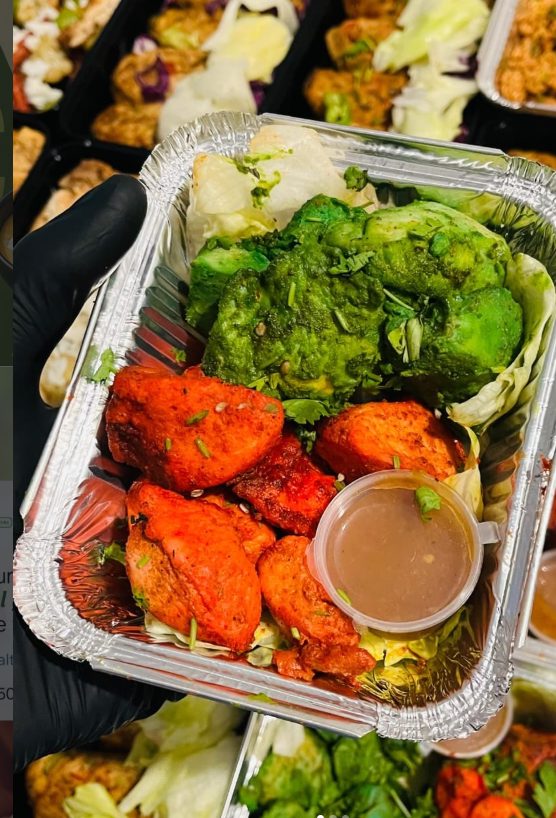
Keto flu: what it is and the electrolytes fix
Around day two to five, many beginners feel a headache, tiredness, irritability, or muscle cramps. This is nicknamed keto flu, and it is almost always an electrolyte problem, not a sign the diet is harming you. When carbs drop, insulin drops, and your kidneys release stored sodium and water.
The fix is simple: drink water consistently, salt your food generously, and have a cup or two of yakhni daily for sodium and potassium. Magnesium from leafy greens and nuts helps with cramps. Most people feel normal again within a few days. If symptoms are severe or do not pass, talk to a doctor before continuing.
Eating out and dawats on keto
Pakistani social life revolves around food, so you need a strategy, not just willpower. At dawats, fill your plate with kebabs, tikka, chicken karahi, and salad, and skip the roti, naan, rice, and mithai. Nobody will notice or care. At restaurants, order tikkas, kebabs, grilled fish, or karahi and ask them to hold the naan. BBQ places are a keto dieter's best friend in Karachi. Eat a small keto meal before you go if you worry about limited options.
Keto vs low-carb vs high-protein
Keto is not the only approach. A keto vs low-carb comparison shows that low-carb (50 to 130 grams of carbs daily) is more flexible for dawats and family meals, while delivering similar long-term results for many people. A high-protein approach, meanwhile, suits gym-goers best. If strict keto feels too rigid after a month, loosening into low-carb is a smart move, not a failure.
Realistic results: what to expect
Let us be honest: no diet can promise you a fixed number of kilos, and you should distrust anyone who does. Results vary by body, starting weight, age, activity level, and above all consistency. The first week often shows a quick drop on the scale, but much of that is water weight as glycogen depletes. Real fat loss is steadier and slower, and it compounds over weeks when you keep carbs low and portions sensible. For a deeper look at timelines and plateaus, read our guide on keto for weight loss in Pakistan.
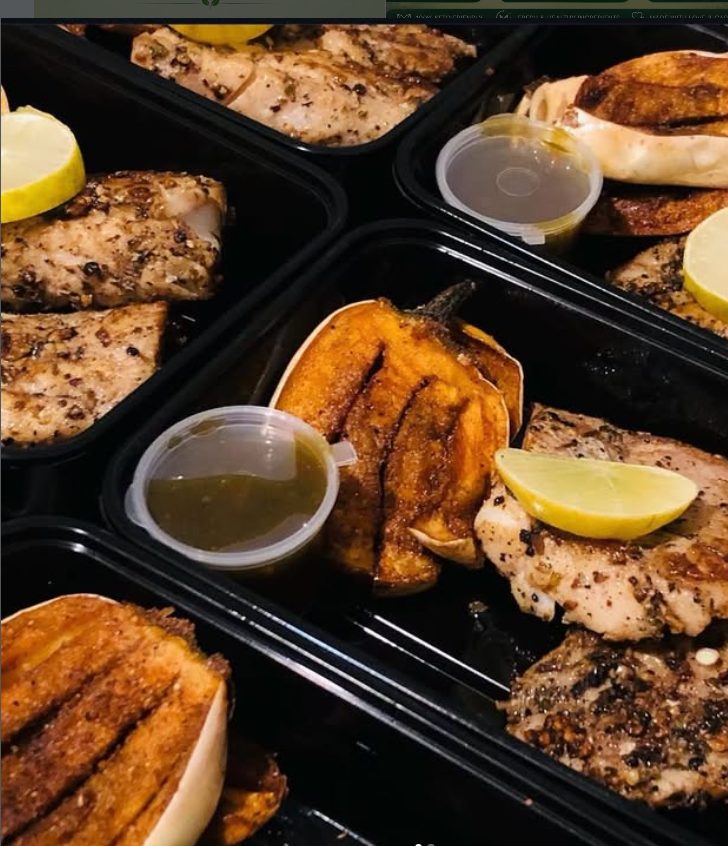
What does keto cost in Pakistan?
Home-cooked keto for one person typically runs on grocery bills most Karachi families already pay: eggs, chicken, ghee, and sabzi are everyday items. The expensive part is not the food, it is the time: daily cooking, macro tracking, and separate meals from the family. A delivered plan removes that cost entirely. Our keto meal plan price guide for Pakistan breaks down DIY costs versus delivered plans in detail.
If cooking keto every day sounds exhausting, our keto meal plans in Karachi deliver fresh, macro-counted food to your door every morning. And if you want to skip the planning entirely, you can order keto meals on WhatsApp and start within days.
Want keto without the cooking?
Fresh keto meals delivered to your doorstep every morning across Karachi. Plans from Rs 35,000/month.