High-Protein Meals in Karachi: Gym Food Delivery, Plans and Prices
Every gym conversation in Karachi eventually reaches the same wall: training is the easy part, protein is the hard part. You can finish a workout in an hour, but hitting 140 grams of protein a day, every day, with desi food and a Karachi schedule, is a second job. This guide does the maths properly: how much protein you actually need, which Pakistani foods deliver it, what a full high-protein day looks like with gram totals, and why so many lifters in Karachi now get their high-protein meals delivered instead of cooking them. For the complete framework behind the numbers, start with our high-protein diet plan for Pakistan, and work out your personal calorie target with our guide on how to calculate your daily calories.
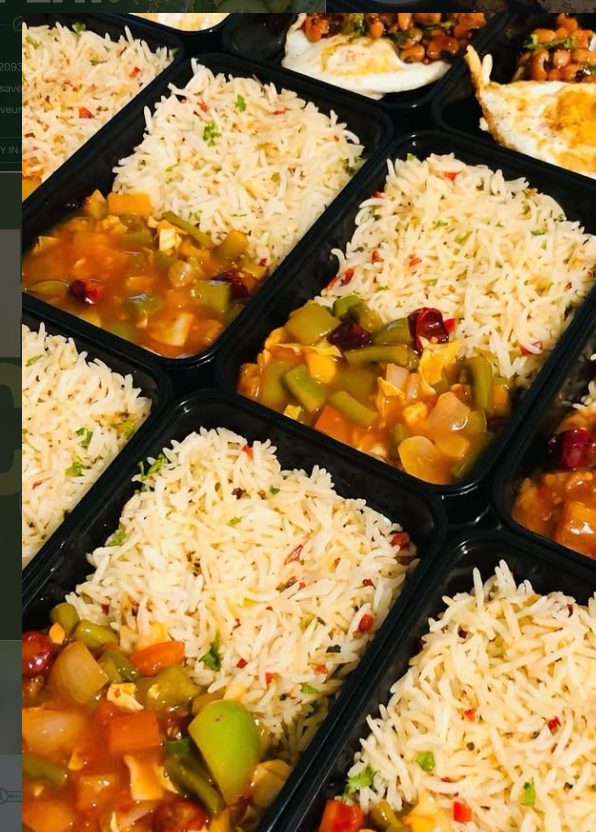
How much protein do you actually need per day?
Protein targets are set per kilogram of bodyweight, not as one magic number for everyone. The ranges used by sports nutrition practice are consistent:
- Sedentary adults: around 0.8 to 1.0 grams per kg of bodyweight per day. This is a health minimum, not a training target.
- Active people and regular gym-goers: around 1.2 to 1.6 grams per kg per day, enough to support recovery and lean muscle maintenance.
- Muscle building, or fat loss while protecting muscle: around 1.6 to 2.2 grams per kg per day. Dieters benefit from the top of this range because protein is the most filling macro and protects muscle in a calorie deficit.
In plain numbers, that means a 70 kg lifter aiming to build muscle needs roughly 112 to 154 grams of protein a day. An 85 kg man cutting fat needs roughly 136 to 187 grams. These are large numbers in food terms: 150 grams of protein is about 500 grams of cooked chicken breast, or 25 eggs, every single day. That is the gap between knowing your target and eating your target, and it is why protein food delivery exists.
| Your bodyweight | Active target (1.6 g/kg) | Muscle-building target (2.0 g/kg) |
|---|---|---|
| 60 kg | 96 g protein/day | 120 g protein/day |
| 70 kg | 112 g protein/day | 140 g protein/day |
| 80 kg | 128 g protein/day | 160 g protein/day |
| 90 kg | 144 g protein/day | 180 g protein/day |
Desi high-protein foods: protein per serving
You do not need imported foods to eat high-protein in Pakistan. The local bazaar covers almost everything, as long as you know the numbers. Values below are standard estimates for cooked portions:
| Food | Typical serving | Protein | Notes |
|---|---|---|---|
| Chicken breast, grilled | 100 g | 31 g | The benchmark. Lean, cheap per gram of protein, endlessly available. |
| Chicken tikka (leg piece) | 1 piece, about 150 g edible | 28 to 32 g | BBQ-shop staple; skin off keeps it leaner. |
| Beef qeema | 100 g cooked | 26 g | Rich and filling; fattier cuts raise calories fast. |
| Eggs | 1 large egg | 6 g | The cheapest quality protein in the country. |
| Fish (surmai or rohu) | 100 g | 20 to 24 g | Excellent protein; Karachi fish markets keep it affordable in season. |
| Paneer | 100 g | 18 g | Best vegetarian anchor, but calorie-dense. |
| Daal, cooked | 1 cup | 12 to 15 g | Good protein, but comes with significant carbs. |
| Channay, cooked | 1 cup | 14 to 15 g | Same story as daal: protein plus carbs. |
| Dahi (yogurt) | 1 cup, 200 g | 7 to 9 g | Useful top-up, not a main protein source. |
| Milk | 1 glass, 250 ml | 8 g | Easy calories and protein, watch the sugar if flavoured. |
| Whey protein | 1 scoop | 22 to 25 g | Convenient top-up around training, not a meal replacement strategy. |
Two lessons hide in this table. First, animal foods dominate: reaching 150 grams from daal and channay alone would take ten cups and a mountain of carbs, which is why vegetarian lifters have to plan much harder, leaning on eggs, paneer and dairy. Second, the winning foods are repetitive: chicken, eggs, fish, qeema. Which brings us to the real problem.
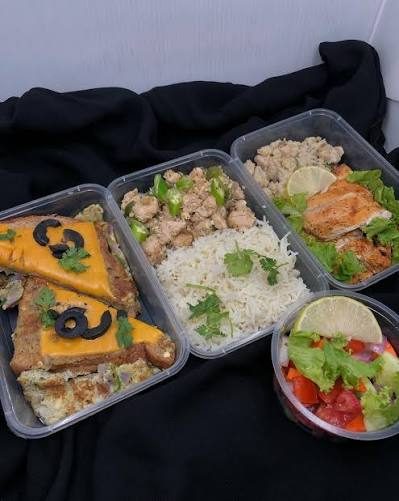
A sample high-protein day with gram totals
Here is what roughly 145 grams of protein looks like as actual desi food, for a lifter of about 75 kg:
- Breakfast: 3-egg omelette with chicken pieces and a glass of milk: about 32 g protein.
- Lunch: 150 g grilled chicken breast with salad and raita: about 50 g protein.
- Pre-workout snack: a whey shake or 200 g dahi with roasted channay: about 24 g protein.
- Dinner: 130 g beef qeema with sabzi, or a large chicken tikka piece: about 34 g protein.
- Evening top-up: 2 boiled eggs: about 12 g protein.
The total lands near 150 grams, and on paper it looks completely doable. In practice, it means protein shopping twice a week, marinating, weighing portions, cooking separately from the family pot, and doing it again tomorrow, and the day after, for months. Most people do not fail the gym. They fail the kitchen.
Protein timing: spreading it across the day
One question every Karachi gym-goer asks is whether protein has to be eaten within some magic window after training. The honest answer: total daily protein matters far more than timing. That said, spreading your intake across the day works better than loading it all into one huge dinner, which is what most people do by accident. Muscle protein synthesis responds best to repeated moderate doses, so aim for roughly 30 to 50 grams of protein at each main meal rather than 15 grams at breakfast and 100 grams at night. A shake or a protein-rich snack within a couple of hours after training is a sensible habit, not a rule your results depend on. This is another quiet advantage of a structured meal plan: breakfast, lunch, dinner and a snack naturally distribute the day's protein into four solid doses, instead of leaving the whole target to one exhausted evening meal you have to plan, weigh and cook yourself.
Why cooking enough protein daily is harder than it looks
Cost surprises. Chicken breast, beef and fish are the most expensive lines in the monthly grocery budget, and a true high-protein diet needs them in quantity, every day. Many people quietly under-eat protein because the weekly shop gets expensive, then wonder why the mirror is not changing.
Time. Protein foods are the slowest foods to prepare. Daal can sit in a pot; chicken must be bought fresh, portioned, marinated, cooked and stored safely. Add weighing portions to hit gram targets, and dinner becomes a project.
The family pot problem. In most Pakistani homes, one salan is cooked for everyone, and it is cooked for taste, not macros: oil-heavy gravies, small meat portions stretched with potatoes and onions. Eating 150 grams of protein from the family pot usually means eating far too many calories alongside it.
Repetition and boredom. Plain grilled chicken, cooked by an tired amateur cook at 9 pm, gets old by day ten. Variety is not a luxury in a diet; it is what makes month two happen. Professional kitchens rotate menus precisely because home cooks run out of ideas.
Guesswork. Without weighing and planning, most people overestimate their protein by 30 to 50 grams a day. They believe they are eating 150 grams and are actually eating 100, and the results match the real number, not the believed one.
The done-for-you option: high-protein meal delivery
This is exactly the gap Keto Karachi's High-Protein plan is built to close. For Rs 45,000 per month, your breakfast, lunch, dinner and a snack are cooked for your protein target and delivered to your door every morning, Monday to Saturday, across Karachi. The menu does not repeat within 30 days, so the boredom problem is handled by the kitchen, not by your willpower. Sunday is the weekly off day, and you follow a nutritionist Sunday diet guide so the day stays on track. The nutritionist also supports you on WhatsApp during the plan, which matters when training, appetite or schedule changes mid-month.
If your goal is weight loss rather than maximum protein, the other two plans may fit better: the Low-Carb plan at Rs 35,000 per month offers a more flexible carb limit, and the Keto plan at Rs 40,000 per month is the strict low-carb, high-fat option. You can compare all three in the plans and pricing section, and our breakdown of keto meal plan prices in Pakistan shows what monthly diet delivery should reasonably cost. Not sure which route matches your training? The comparison in keto vs low-carb is a useful five minutes before you decide.
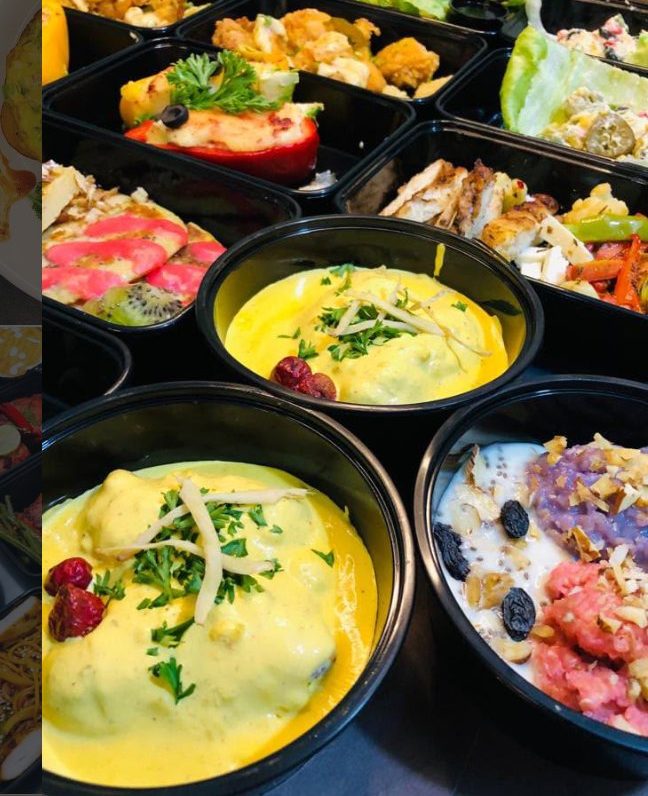
Who a high-protein plan suits
A delivered high-protein plan suits lifters who train three to six days a week and keep missing their protein target, professionals whose workdays make cooking twice a day unrealistic, and anyone cutting fat who has learned that hunger, not knowledge, is what ends diets: high protein is the most satiating way to eat in a deficit. It suits people in hostels and shared flats in Karachi with limited kitchen access especially well. What it does not do is replace training or sleep: protein supports the work, it does not do the work, and results vary by person, training and consistency. If that sounds like your situation, order through the form or message us on WhatsApp at +92 323 3116295 and tell the nutritionist your weight and training routine, so your plan starts from your actual numbers.
Hit your protein target without living in the kitchen
High-protein breakfast, lunch, dinner and a snack, delivered across Karachi every morning, Monday to Saturday. High-Protein plan Rs 45,000/month.