High-Protein Diet Plan in Pakistan for Weight Loss
Of everything nutrition science agrees on, one finding is remarkably consistent: people who eat more protein lose more fat and keep more muscle while dieting. In Pakistan, where the default plate is carb-heavy (roti, rice, daal, aloo), simply flipping the ratio toward protein is often the single highest-impact change you can make. Here is how a high-protein diet works, what to eat, how much you need, and how to build it around Pakistani food and budgets.
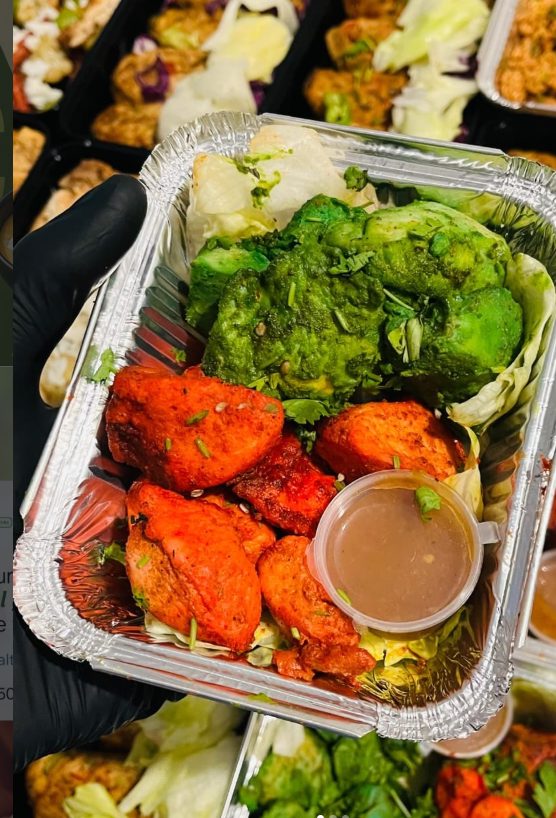
Why protein works for fat loss
Protein helps in three specific ways. First, satiety: protein keeps you full far longer than carbs, so you naturally eat less without white-knuckling your willpower through the evening. Second, the thermic effect: your body burns roughly 20 to 30 percent of protein's own calories just digesting it, compared to about 5 to 10 percent for carbs. Third, muscle preservation: when you eat in a calorie deficit, adequate protein tells your body to burn fat instead of breaking down muscle, which keeps your metabolism from slowing as you slim down.
How much protein do you need per day?
A practical target for fat loss is 1.6 to 2.2 grams of protein per kilogram of body weight daily. Use this table as a starting point:
| Body weight | Daily protein target | What that looks like |
|---|---|---|
| 60 kg | 95 to 130g | 4 eggs + 150g chicken + 1 cup dahi + daal |
| 70 kg | 110 to 155g | 4 eggs + 200g chicken + paneer + milk |
| 80 kg | 130 to 175g | 5 eggs + 250g chicken/beef + dahi + nuts |
| 90 kg | 145 to 200g | Add a second meat portion or whey shake |
Spread protein across three to four meals, because your body uses it best in doses of 25 to 40 grams at a time. One giant protein-heavy dinner and two carb-heavy other meals will not do the job.
Best protein sources in Pakistan
- Eggs: the cheapest complete protein in the country.
- Chicken breast: the leanest everyday option.
- Chicken leg quarters: cheaper than breast, slightly more fat.
- Beef and mutton: qeema, kebabs, and boti.
- Fish: surmai and pomfret.
- Strained dahi (Greek-style): nearly double the protein of regular dahi.
- Paneer: the vegetarian anchor.
- Soya chunks: extremely high protein per rupee, good in pulao-style dishes.
Protein content of Pakistani foods
| Food (100g unless noted) | Protein (approx.) | Notes |
|---|---|---|
| Chicken breast, cooked | 30g | Leanest choice |
| Beef qeema, cooked | 26g | Use lean mince |
| Eggs (2 large) | 12g | Cheapest option |
| Surmai fish, cooked | 24g | Also rich in omega-3s |
| Paneer | 18g | Watch the fat calories |
| Strained dahi | 10g per 100g | Eat plain, not sweetened |
| Soya chunks, dry | 52g | Very economical |
| Daal moong, cooked | 7g | Carbs come along too |
| Almonds (30g handful) | 6g | Calorie-dense, portion carefully |
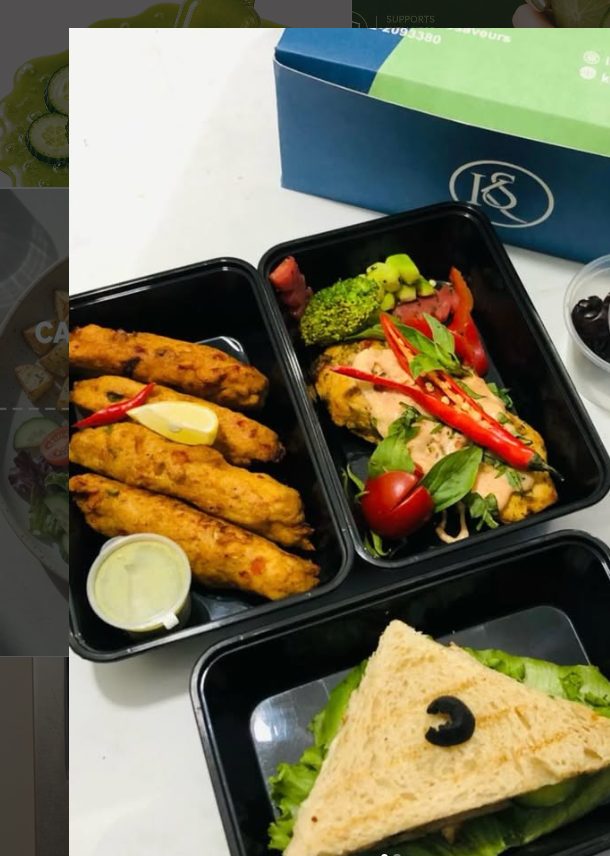
Eggs: the unsung hero
At current Pakistani prices, eggs remain the cheapest complete protein you can buy, with all essential amino acids and useful fats. Four eggs at breakfast deliver about 24 grams of protein for very little money. Boil a batch every two days and keep them in the fridge for grab-and-go snacking. If cholesterol worries you, know that for most healthy people, dietary cholesterol from eggs has a modest effect on blood cholesterol. Those with existing heart conditions should check with their doctor.
Dairy: dahi, paneer, and milk
Strain regular dahi through a muslin cloth for a few hours and you get thick, Greek-style yogurt with nearly double the protein per spoon. Eat it plain with salt and roasted zeera, not with sugar. Paneer works in palak paneer, tikkas, and bhurji. Milk is fine in moderation, but remember that a large glass carries meaningful carbs along with its protein.
High-protein for vegetarians
Vegetarian high-protein takes more planning but is absolutely doable. Build meals around paneer, strained dahi, milk, soya chunks, and daal. Soya chunk pulao with vegetables is one of the highest-protein vegetarian meals in Pakistani cooking. If you eat eggs, everything gets dramatically easier. Consider whether your diet is vegetarian by choice or by habit, because that single change transforms the math.
Sample high-protein day of eating
Breakfast: 4-egg omelette with chicken pieces (about 30g protein). Lunch: 150g grilled chicken breast with salad and raita made from strained dahi (about 45g protein). Snack: a handful of almonds plus one boiled egg (about 12g protein). Dinner: beef qeema with palak (about 35g protein). Total: roughly 120 grams of protein across the day, with carbs kept moderate by skipping roti and rice at two of the three main meals. For the stricter low-carb version of this approach, see our keto diet plan for Pakistan.
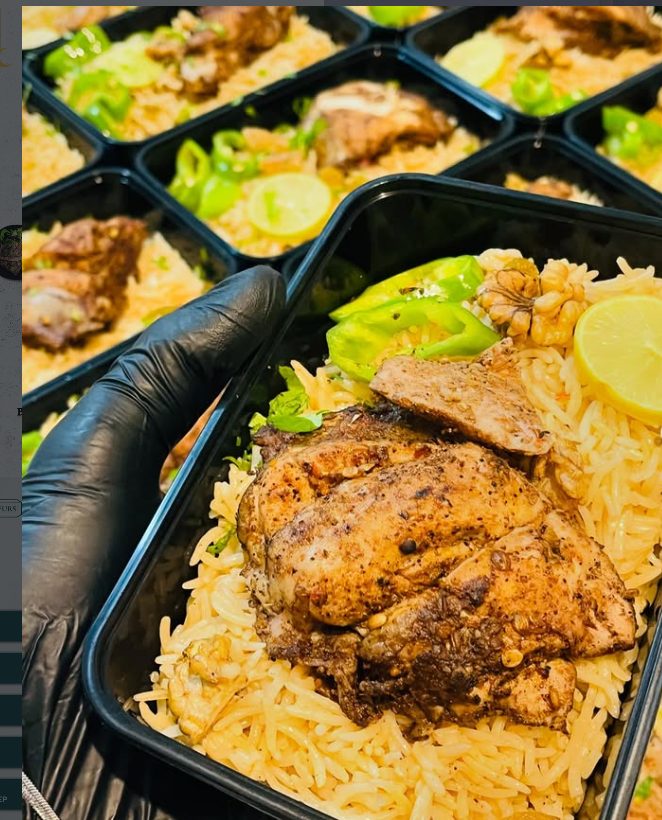
Does protein timing matter?
Total daily intake matters far more than timing. That said, spreading protein across three to four meals beats loading it all at dinner, and having 25 to 40 grams within a few hours of resistance training supports recovery. Do not stress about a 30-minute "anabolic window". It is largely a myth. Consistent daily totals win.
Protein and exercise
Protein without training preserves muscle. Protein with resistance training builds it. You do not need a fancy gym: bodyweight exercises, dumbbells at home, or three sessions a week at any Karachi gym all count. Beginners and people returning to training can often build muscle and lose fat simultaneously, provided protein stays high and training is progressive. Results vary by body, training, and consistency.
Common high-protein mistakes
- Ignoring total calories: protein is not calorie-free. Extra chicken on top of a full carb-heavy diet just adds calories.
- Too little fat and fibre: very lean protein with no fat leaves you hungry. Keep some ghee, nuts, and vegetables in the mix.
- Relying on processed meats: sausages and frozen kebabs often contain fillers and excess sodium. Prefer fresh-cooked meat.
- Skimping on water: higher protein intake works best with good hydration, especially in Karachi's heat.
Who is a high-protein plan for?
Gym-goers: if you lift weights, protein is non-negotiable for recovery and muscle growth. Training without enough protein is like building a house without bricks. Busy professionals: high-protein meals keep you full through long office hours and kill the 5pm samosa run better than any willpower trick. Anyone who hates feeling hungry on a diet: of all diet styles, high-protein is consistently rated the most satisfying.
Hitting 120 to 150 grams of protein daily through home cooking takes serious planning and prep. Our high-protein meal plan in Karachi (Rs 45,000/month) does the counting for you: extra-high protein portions at breakfast, lunch, dinner, plus snacks and extras, delivered fresh every morning. For full pricing context, see our keto meal plan prices in Pakistan guide. To get started today, order on WhatsApp and our team will confirm your slot.
120g+ protein, zero meal prep
High-protein meals cooked fresh daily and delivered across Karachi. Plans from Rs 45,000/month.